Employee Onboarding Done Right: 8‑Step Guide + Checklist

Effective onboarding is more than a paperwork sprint; it’s the first real impression of your organization’s culture, expectations, and support system. When done right, new hires reach productivity faster, stay longer, and become ambassadors for the brand. Below is an eight‑step guide that translates theory into daily actions, plus a printable checklist you can adapt immediately.
1. Define the Onboarding Vision and Timeline
Start with a clear statement of what “successful onboarding” looks like for your company. Typical goals include:
- New hire feels welcomed and informed by day 5.
- Core job responsibilities are understood by week 2.
- First performance milestone reached within 30 days.
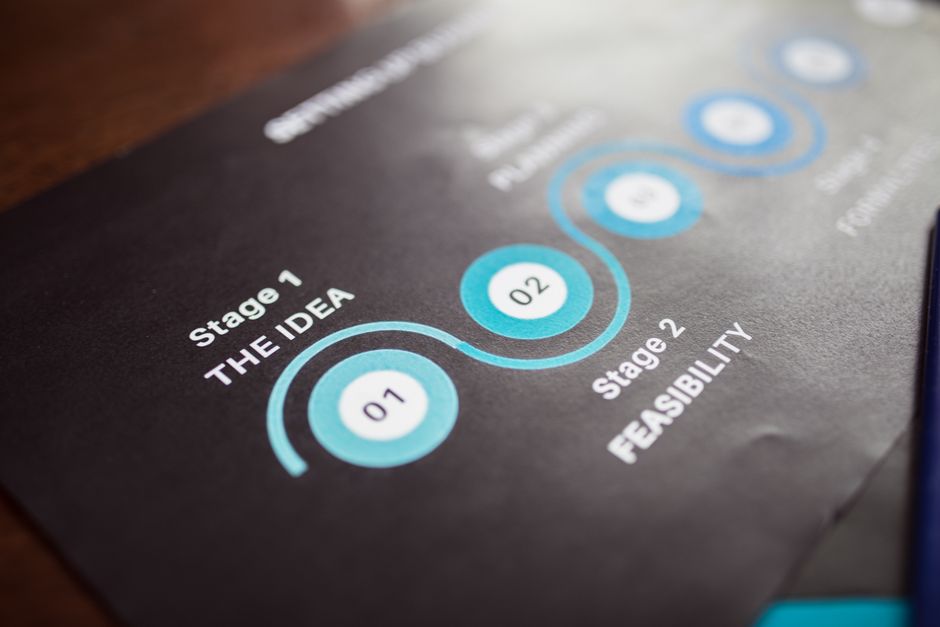
Map these goals onto a timeline that spans the first 90 days. A visual roadmap (e.g., a Gantt chart) helps managers see when each activity should occur and who owns it.
2. Prepare the Pre‑Start Package
First impressions begin before the employee walks through the door. Send a pre‑start email that includes:
- Welcome letter from the direct manager.
- Day‑one agenda with start time, location, and dress code.
- Links to essential paperwork (tax forms, benefits enrollment) that can be completed electronically.
- Access credentials for the company intranet, email, and any required software.
Common mistake: Waiting until the first day to deliver equipment or login details, which forces the new hire to waste valuable time troubleshooting.
3. Set Up the Physical and Digital Workspace
Ensure the workstation is ready at least one hour before arrival:
- Computer, monitor, keyboard, mouse, and headset.
- Phone line or soft‑phone account.
- Necessary software installed and licensed.
- Welcome kit (notebook, pen, company swag).
For remote hires, ship the equipment in advance and verify receipt via a short video call.
4. Assign a Dedicated Onboarding Buddy
A peer buddy bridges the gap between formal training and everyday culture. Choose someone who:
- Has been with the company at least six months.
- Demonstrates strong communication skills.
- Is willing to spend 30‑60 minutes each week for the first month.
The buddy’s responsibilities include:
- Introducing the new hire to team members.
- Answering informal questions about processes.
- Inviting the new hire to coffee chats or virtual hangouts.
Pitfall to avoid: Assigning a buddy who is already overloaded; this leads to rushed interactions and a missed opportunity for relationship building.
5. Deliver Role‑Specific Training Early
Technical competence builds confidence. Structure training into three phases:
- Day 1‑3: System access, security protocols, and basic tool navigation.
- Week 1‑2: Core job functions through hands‑on tasks, guided by the manager.
- Week 3‑4: Independent project work with periodic check‑ins.
Use a mix of formats—short videos, live demos, and micro‑learning quizzes—to accommodate different learning styles.
6. Communicate Culture and Values Continuously
Culture isn’t a one‑time slide deck. Reinforce it through:
- Storytelling sessions where senior leaders share real‑world examples of the values in action.
- Interactive workshops on topics like inclusion, feedback etiquette, and work‑life balance.
- Regular “pulse” surveys that ask the new hire how connected they feel to the organization.
When a new hire sees values lived daily, they are more likely to internalize them.

7. Schedule Regular Check‑Ins and Feedback Loops
Feedback should be a two‑way street:
- Day 1: Quick “how was your first day?” chat.
- End of Week 1: Formal 30‑minute review covering expectations, challenges, and support needs.
- End of Month 1: Performance check against the 30‑day milestones.
- Month 2 & 3: Ongoing coaching sessions and goal‑setting conversations.
Document each discussion in a shared note so progress is visible to both manager and employee.
8. Evaluate the Onboarding Program and Iterate
After the first 90 days, gather quantitative and qualitative data:
- Time‑to‑productivity metrics (e.g., tickets resolved, sales calls made).
- Retention rates of the cohort versus previous hires.
- Survey responses on satisfaction with each onboarding component.
Identify patterns—perhaps the buddy program needs more structure, or the digital training platform is cumbersome. Adjust the process, update the checklist, and communicate changes to the broader HR team.
Onboarding Checklist (Printable)
Use this list as a master reference. Tick each item as it’s completed.
- Define onboarding vision and 90‑day timeline.
- Send pre‑start email with agenda, paperwork links, and credentials.
- Prepare physical/digital workspace and ship remote equipment.
- Assign and brief onboarding buddy.
- Schedule role‑specific training sessions (Day 1‑30).
- Plan culture immersion activities (storytelling, workshops).
- Set calendar invites for check‑ins (Day 1, Week 1, Month 1, Month 2, Month 3).
- Collect feedback data and conduct post‑onboarding review.
Takeaway: Onboarding succeeds when every step—pre‑start communication, workspace readiness, role training, cultural immersion, and continuous feedback—is assigned, timed, and measured.
Recommended courses
Keep going with structured practice and full-length preparation.



Ready to practice? Explore our courses.
Get started →