Engagement Surveys: The Practical Comparison Guide for Real‑Time Pulse Tools

Why Choosing the Right Measurement Method Matters
For HR professionals, engagement surveys are a cornerstone of understanding how employees feel about their work, leadership, and culture. Yet the same data can be gathered through real‑time pulse tools that deliver quicker, more frequent insights. Picking the method that aligns with your organization’s cadence, resources, and goals directly influences the usefulness of the data and the actions you can take.
Busy HR teams need a clear comparison guide that outlines the trade‑offs, so they can decide whether a yearly survey, a quarterly pulse, or a hybrid approach fits their schedule and budget.

Structure and Frequency: Traditional Surveys vs. Real‑Time Pulse
Traditional engagement surveys are typically administered once or twice a year, covering a broad set of topics in a single, lengthy questionnaire. Real‑time pulse tools, by contrast, send short, focused questions on a weekly or monthly basis.
- Length: Traditional surveys often contain 50‑100 items; pulse surveys usually 3‑5 items.
- Timing: Annual or semi‑annual vs. weekly/monthly.
- Response window: One to two weeks for traditional; 24‑48 hours for pulse.
- Data freshness: Static snapshot vs. continuous stream.
Understanding these differences helps you match the tool to the rhythm of your business. For example, a fast‑growing startup may benefit from weekly pulses to catch sentiment shifts early, while a large, stable enterprise might rely on an annual deep‑dive survey.
Design Considerations: Question Types and Depth
When building an engagement surveys program, the depth of insight often depends on the question design. Traditional surveys allow for complex Likert scales, open‑ended comments, and scenario‑based items. Real‑time pulse tools focus on single‑item measures that are easy to answer on the go.
- Depth vs. brevity: Use traditional surveys for strategic topics like career development, compensation fairness, and leadership trust. Reserve pulse for tactical items such as recent workload, immediate morale, or recent change impact.
- Scoring consistency: Keep the same core metric (e.g., employee Net Promoter Score) across both methods to compare trends over time.
- Customization: Pulse platforms often let you swap questions quickly; traditional surveys require longer development cycles.
A common mistake is trying to cram the same depth of a yearly survey into a pulse, which leads to survey fatigue and low response rates.
Implementation Steps: From Planning to Launch
Both approaches need a structured rollout, but the steps differ in scale. Below is a step‑by‑step checklist for each method.
Traditional Engagement Survey
- Define objectives and key focus areas (e.g., leadership, culture, benefits).
- Secure executive sponsorship and allocate budget for design, licensing, and analysis.
- Partner with a survey vendor or build an internal questionnaire.
- Pilot the survey with a small group to test clarity and timing.
- Communicate the purpose, anonymity guarantees, and timeline to all employees.
- Launch the survey, monitor response rates, and send reminders.
- Analyze results, segment by department or tenure, and create an action plan.
- Share findings and next steps with the organization.
Real‑Time Pulse Tool
- Identify high‑impact moments to measure (e.g., post‑onboarding, after a major change).
- Choose a pulse platform that integrates with your HRIS or communication tools.
- Set a regular cadence (weekly, bi‑weekly, or monthly) and keep questions consistent.
- Launch a brief pilot to gauge employee comfort with frequency.
- Promote the pulse as a quick, anonymous check‑in.
- Collect data continuously; use dashboards for real‑time alerts.
- Review trends monthly and adjust actions as needed.
- Close the loop by sharing quick wins and upcoming initiatives.
Skipping any of these steps—especially communication and closing the loop—often results in low participation and distrust.
Data Analysis: Turning Numbers into Action
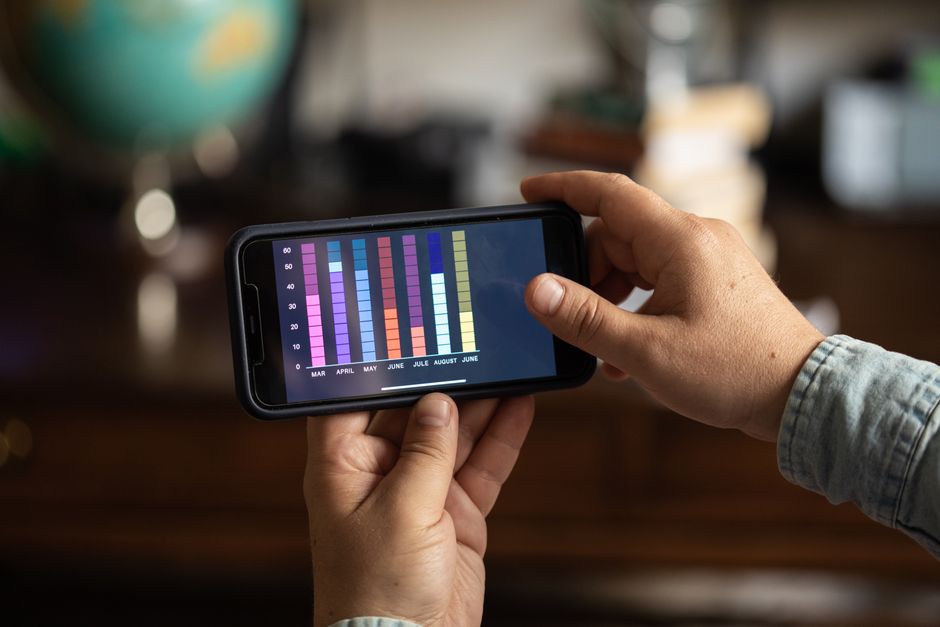
Traditional surveys generate large data sets that require statistical analysis, cross‑tabulation, and sometimes external benchmarking. Pulse tools produce smaller, more frequent data sets that are ideal for trend lines and rapid alerts.
- Depth of insight: Traditional surveys can uncover root causes through open‑ended comments; pulse relies on follow‑up questions or deeper surveys when a trend emerges.
- Speed of insight: Pulse data can be visualized in dashboards within hours, enabling immediate response to spikes in stress or disengagement.
- Benchmarking: Annual surveys often include industry benchmarks; pulse tools usually lack this feature, so you must create internal baselines.
Common mistake: treating pulse data as a replacement for deep analysis. The best practice is to use pulse as an early‑warning system and schedule a full survey when patterns indicate a systemic issue.
Cost and Resource Implications
Budget constraints are a real concern for many HR departments. Traditional surveys can be pricey due to licensing fees, consulting services, and analysis time. Pulse tools often operate on a subscription model with lower per‑user costs but may require ongoing admin effort.
- Upfront cost: Traditional surveys may need a one‑time design fee; pulse tools usually have a modest monthly fee.
- Human resources: Traditional surveys need a project team for design, rollout, and analysis; pulse tools need a champion to monitor dashboards and act on alerts.
- Technology integration: Pulse platforms often integrate with Slack, Teams, or HRIS, reducing manual data entry.
- ROI measurement: Track cost per response and link improvements in engagement scores to business outcomes (e.g., turnover reduction) for both methods.
Avoid the pitfall of under‑estimating the ongoing admin time for pulse tools—without a dedicated owner, the data can sit idle.
Best‑Practice Checklist for a Balanced Approach
Many organizations find value in combining both methods. Use the checklist below to design a hybrid measurement strategy that leverages the strengths of each.
- Set a clear purpose: strategic insight (annual) vs. tactical monitoring (pulse).
- Align questions: keep core metrics consistent across both tools.
- Communicate cadence: tell employees when to expect each type of survey.
- Ensure anonymity for both methods to encourage honesty.
- Integrate pulse data into the annual survey analysis for richer context.
- Assign owners: one team for the annual survey lifecycle, another for pulse monitoring.
- Close the loop: share actions taken after each data collection point.
By following this checklist, you reduce the risk of survey fatigue, improve data quality, and create a culture where employee voice drives continuous improvement.
Engagement surveys: Conclusion: One Clear Takeaway
The most effective engagement measurement strategy blends the depth of traditional engagement surveys with the immediacy of real‑time pulse tools. Use annual surveys for strategic, comprehensive insight, and supplement them with frequent pulse checks to catch emerging issues early. This hybrid approach delivers both the big picture and the timely details you need to keep your workforce engaged.
Recommended courses
Keep going with structured practice and full-length preparation.



Ready to practice? Explore our courses.
Get started →