Mastering Leadership & Navigation for SHRM Exam Success

Why Leadership & Navigation Matter on the SHRM Exam
The SHRM Body of Applied Skills and Knowledge (BASK) lists Leadership & Navigation as a core competency. Exam questions often ask you to evaluate how an HR professional can launch a strategic initiative, align it with culture, and keep stakeholders on board. Mastering this area means you can answer scenario‑based items quickly and confidently.
Step 1: Diagnose the Current Culture Before You Act
Before any initiative, you need a clear picture of the organization’s culture. Use a simple three‑step audit:
- Collect data. Review mission statements, recent employee surveys, and informal feedback channels.
- Identify patterns. Look for recurring themes such as “risk‑averse,” “collaborative,” or “customer‑obsessed.”
- Validate findings. Hold brief focus groups with a cross‑section of employees to confirm your interpretation.
Example: A mid‑size tech firm claims to be “innovative,” but the audit reveals a hierarchy that discourages idea‑sharing. Recognizing this gap helps you tailor the rollout of a new “Idea‑Incubator” program.
Step 2: Align the Initiative with Strategic Goals
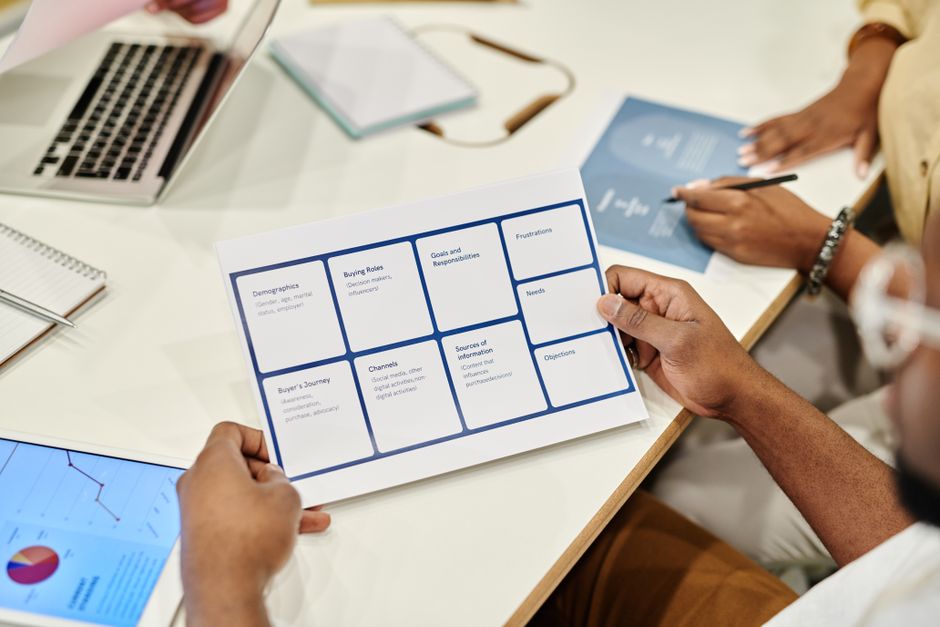
HR initiatives must support the organization’s broader objectives. Follow the SMART‑plus‑Strategic alignment checklist:
- Specific. Define the exact outcome (e.g., increase internal mobility by 15%).
- Measurable. Choose metrics (number of internal transfers, time‑to‑fill).
- Achievable. Ensure resources (budget, technology) are in place.
- Relevant. Link directly to a corporate goal (e.g., talent retention).
- Time‑bound. Set a clear deadline (12 months).
- Strategic fit. Map the initiative to the company’s vision and culture.
Common mistake: launching a leadership‑development program in a company that values “hands‑on expertise” over formal training. The program flops because it clashes with cultural expectations.
Step 3: Build a Coalition of Influencers
Successful navigation relies on champions at every level. Identify three types of influencers:
- Executive sponsors. Senior leaders who can allocate budget and signal importance.
- Middle‑manager allies. Those who translate strategy into day‑to‑day actions.
- Peer advocates. Respected employees who can model desired behaviors.
Action tip: Conduct a “influence map” session. Plot each stakeholder’s interest and power, then craft a tailored communication plan.
Example: For a new flexible‑work policy, you secure a CFO’s endorsement (cost‑saving angle), a department head’s operational plan, and a popular project manager’s testimonial to address employee concerns.

Step 4: Communicate with Clarity and Consistency
Communication is the bridge between strategy and culture. Use the “3‑C” framework:
- Context. Explain why the change matters now (market pressure, talent gaps).
- Content. Detail what will happen, who is involved, and what is expected.
- Call to action. Provide concrete next steps for each audience.
Practical tools:
- One‑page “initiative brief” for senior leaders.
- FAQ sheet for employees.
- Quarterly update webinars.
Common pitfall: Overloading employees with jargon. Keep language simple, and repeat key messages across channels.
Step 5: Monitor, Adjust, and Celebrate Wins
Leadership doesn’t end at launch. Establish a feedback loop:
- Measure early indicators. Participation rates, pilot feedback, and quick‑win metrics.
- Conduct pulse surveys. Ask targeted questions about perception and barriers.
- Adjust tactics. If adoption is low, revisit communication or provide additional training.
- Recognize achievements. Publicly celebrate teams that exemplify the new behavior.
Real‑world example: A retail chain introduced a “customer‑experience champion” role. After three months, they noticed low nomination rates. By adding a simple nomination form and highlighting early winners in the company newsletter, participation rose 40%.
Common Mistakes to Avoid on the Exam
When you see a scenario question, watch for these red flags:
- Missing cultural analysis. Answers that skip the culture‑diagnosis step usually lose points.
- One‑size‑fits‑all solutions. Proposals that ignore stakeholder differences are flagged as unrealistic.
- Over‑emphasis on metrics. While data is important, the SHRM exam also values the human‑side of change.
- Neglecting sustainability. Initiatives that lack a plan for ongoing support are considered incomplete.
Exam‑Ready Checklist for Leadership & Navigation
Before you close your study session, run through this quick list:
- Can I identify the organization’s current culture in a given scenario?
- Do I have a clear alignment statement linking the HR initiative to business strategy?
- Have I named at least three stakeholder groups and described their role?
- Is my communication plan framed with context, content, and call to action?
- Do I include a monitoring and adjustment step?
Conclusion
Leading HR initiatives and navigating culture is less about fancy theory and more about systematic steps: diagnose, align, build influence, communicate, and iterate. By practicing these actions in your study cases, you’ll be ready to choose the most balanced answer on the SHRM exam.
Takeaway: Successful leadership starts with a clear snapshot of culture—once you know where you are, you can chart a realistic path to where you need to go.
Recommended courses
Keep going with structured practice and full-length preparation.

Ready to practice? Explore our courses.
Get started →