Micro‑Shifting Workforce Planning: A Practical Framework for Agile HR

Why Traditional Workforce Planning Falls Short
Most HR departments still rely on annual forecasts, static headcounts, and long‑term talent pools. Those models assume a relatively stable business environment and a predictable hiring cycle. When market demand spikes, a new competitor launches, or a technology shift forces rapid re‑skill, the old plan quickly becomes obsolete. The result is either a talent shortage that slows projects or an over‑staffed department that inflates labor costs.
Micro‑shifting workforce planning replaces the “once‑a‑year” mindset with a series of small, data‑driven adjustments that can be made every quarter—or even every month. By treating the workforce plan as a living document, HR can respond to change without waiting for the next budgeting cycle.
Core Principles of Micro‑Shifting
Before diving into the steps, keep these five principles in mind. They guide every decision and keep the process from becoming another bureaucratic exercise.
- Granular Data. Use short‑term metrics (e.g., weekly turnover, sprint‑level hiring velocity) rather than only annual averages.
- Incremental Change. Aim for adjustments that affect no more than 5‑10% of the total workforce at a time.
- Cross‑Functional Alignment. Involve product, finance, and operations early to validate the impact of each shift.
- Feedback Loops. Capture outcomes of each micro‑shift and feed them back into the next planning cycle.
- Technology Enablement. Leverage HRIS dashboards, predictive analytics, and collaboration tools to surface insights quickly.
Step‑by‑Step Framework
The framework consists of six concise phases. Each phase can be completed in a 2‑week sprint, allowing HR to complete a full micro‑shifting cycle four times a year.
1. Capture Real‑Time Workforce Signals
Gather data that reflects current conditions, not just historical trends.
- Operational Metrics. Pull headcount, vacancy, and attrition data from the HRIS on a weekly basis.
- Business Demand Indicators. Use product backlog size, sales pipeline stages, or client project pipelines to gauge upcoming labor needs.
- Skill‑Gap Heat Map. Run a quarterly skill inventory and compare it to the demand indicators. Highlight gaps that exceed a 2‑month buffer.
Common mistake: Relying solely on HR‑centric data (e.g., turnover) while ignoring the business side (e.g., project pipeline) leads to misaligned shifts.
2. Prioritize Micro‑Shifts
Not every signal warrants action. Use a simple scoring model to rank potential adjustments.
- Impact Score (1‑5). Estimate how much the shift will affect project delivery or cost.
- Effort Score (1‑5). Estimate the resources needed to implement the shift (recruiting, training, re‑assignment).
- Risk Score (1‑5). Consider compliance, morale, or brand implications.
Calculate a total priority rating (Impact × Effort × Risk). Target the top 2‑3 items that fall within the 5‑10% workforce change limit.
3. Design the Shift Blueprint
For each prioritized item, create a concise action plan.
- Objective. One sentence describing the desired outcome (e.g., “Add 8 data‑analytics specialists to support the new AI product line”).
- Scope. Define which business units, locations, and job families are affected.
- Timeline. Set a realistic start and end date, typically 4‑6 weeks for a micro‑shift.
- Resources. List recruiting channels, internal talent pools, or training programs needed.
- KPIs. Choose 2‑3 metrics to measure success (time‑to‑fill, skill‑acquisition rate, budget variance).
Common mistake: Over‑loading a single shift with multiple objectives; keep it narrow to maintain agility.
4. Execute with Agile Practices
Treat the shift like a sprint.
- Daily Stand‑Ups. Short check‑ins with recruiters, hiring managers, and the analytics lead.
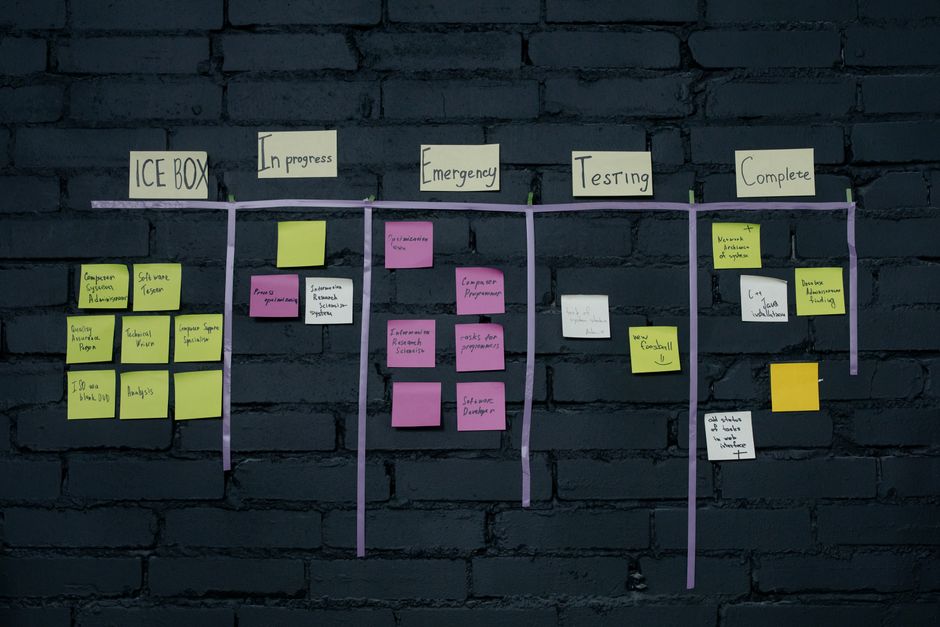
- Kanban Board. Visualize tasks such as “post job,” “screen candidates,” “onboard.”
- Rapid Decision Gates. Authorize budget or senior approval within 48 hours to avoid bottlenecks.
Document any deviations from the blueprint in real time; these become valuable data for the next feedback loop.
5. Review and Capture Learnings
At the end of the shift, hold a 30‑minute retrospective.
- Compare actual KPIs against targets.
- Identify what worked (e.g., a specific sourcing channel) and what didn’t (e.g., a lengthy internal approval step).
- Update the skill‑gap heat map with newly acquired capabilities.
- Adjust the scoring model if certain impact factors proved inaccurate.
Record the findings in a shared “Micro‑Shift Log” that the whole HR team can reference.
6. Integrate Into the Next Planning Cycle
Use the insights to refine the next round of signals, priorities, and blueprints. Over time, the organization builds a rhythm of continuous, low‑risk workforce adjustments.
Common mistake: Treating the review as a one‑off report rather than feeding it back into the signal‑capture stage. Without integration, the process loses its learning advantage.

Practical Example: A Mid‑Size Tech Firm
Acme Solutions, a 600‑person software company, faced a sudden surge in demand for cloud‑security specialists after a major client announced a compliance upgrade.
Signal Capture: The product team reported a 30% increase in security‑related tickets; the HRIS showed a 4‑month vacancy for “Security Engineer.”
Prioritization: Scoring yielded a high‑impact, low‑effort shift: hire 6 security engineers within 8 weeks (≈1% of total workforce).
Blueprint: Objective – “Close the security talent gap to meet client SLA.” Scope – engineering department, North America sites. Timeline – 8 weeks. Resources – targeted LinkedIn ads, employee referral bonus, internal up‑skilling program.
Execution: The recruiting lead held daily stand‑ups, used a Kanban board, and secured budget approval in 24 hours.
Review: Time‑to‑fill was 5 weeks (target 6), onboarding satisfaction 4.7/5, and the client’s SLA was met. The team noted that the employee referral channel delivered 3 hires in 2 weeks—a finding added to the next scoring model.
This micro‑shift prevented a costly project delay and demonstrated how a focused, data‑driven adjustment can deliver tangible business value without a massive hiring spree.
Common Pitfalls and How to Avoid Them
- Over‑Analyzing. Gathering too many metrics can stall decisions. Stick to the three core data sources: operational, demand, and skill gaps.
- Changing Scope Mid‑Sprint. Adding new roles or locations after execution begins creates chaos. Freeze the scope once the sprint starts.
- Neglecting Stakeholder Communication. If hiring managers aren’t briefed on the micro‑shift’s purpose, they may resist the change. Use a brief “Shift Brief” email and a 15‑minute kickoff call.
- Ignoring Cultural Impact. Frequent small changes can cause uncertainty. Pair each shift with a transparent communication plan that explains why the adjustment matters.
- Under‑Utilizing Technology. Manual spreadsheets slow down the cycle. Adopt an HRIS module that supports real‑time dashboards and integrates with project‑management tools.
Tools and Technology to Support Micro‑Shifting
While the framework can be run with spreadsheets, several categories of tools make the process smoother.
- Workforce Analytics Platforms. Offer real‑time headcount, turnover, and skill‑inventory dashboards.
- Project Management Software. Kanban boards (e.g., Trello, Jira) visualize shift tasks and keep the team aligned.
- Recruiting Automation. AI‑enabled sourcing tools can quickly surface candidates that match the micro‑shift’s skill profile.
- Learning Management Systems. Enable rapid up‑skilling for internal talent pools, reducing external hiring needs.
- Collaboration Suites. Shared “Micro‑Shift Log” documents in Google Workspace or Microsoft Teams keep learnings accessible.
Measuring Success Over Time
Micro‑shifting is a continuous improvement practice. Track the following high‑level metrics across multiple cycles to gauge effectiveness.
- Shift Success Rate. Percentage of micro‑shifts that met all KPI targets.
- Average Time‑to‑Adjust. Days from signal identification to shift completion.
- Workforce Variance. Difference between planned and actual headcount at the end of each quarter.
- Business Impact Index. Correlate shift outcomes with business results (e.g., project delivery dates, revenue growth).
When these indicators trend upward, the HR function is delivering real agility to the organization.
Conclusion
Micro‑shifting transforms workforce planning from a static, annual exercise into a dynamic, responsive capability. By capturing real‑time signals, prioritizing small‑scale adjustments, and embedding rapid feedback loops, HR can keep talent aligned with business needs without the overhead of massive restructuring.
One clear takeaway: Treat each workforce adjustment as a short, measurable sprint, and let the data from every sprint continuously refine the next.
Recommended courses
Keep going with structured practice and full-length preparation.



Ready to practice? Explore our courses.
Get started →