PIP Legal Review: The Practical Guide for HR Leaders

Why a PIP Legal Review Matters for Every HR Team
A PIP legal review is the systematic check that ensures your performance‑improvement plans (PIPs) meet federal, state, and local employment laws before they are issued. Without this step, HR departments risk costly lawsuits, wrongful‑termination claims, and damage to the employer brand. A thorough risk assessment also protects managers from unintentionally violating anti‑discrimination rules or the Americans with Disabilities Act (ADA). By embedding compliance steps into the PIP creation process, you create a defensible record that demonstrates fair treatment and consistent performance standards.
Busy HR professionals often assume that a well‑written PIP is automatically safe. The reality is that even minor wording choices—such as vague timelines or subjective criteria—can become legal vulnerabilities. This guide walks you through concrete actions, common pitfalls, and real‑world examples so you can conduct a PIP legal review efficiently, even on a tight schedule.

Step 1: Gather the Core Documentation for Your Risk Assessment
The first phase of any PIP legal review is collecting the documents that will be examined. A complete file includes:
- Employee’s job description and any recent revisions.
- Performance metrics used to trigger the PIP (e.g., sales numbers, error rates, attendance records).
- Previous coaching notes or informal warnings.
- The draft PIP itself, including goals, timelines, and support resources.
- Relevant policies such as the employee handbook, progressive discipline policy, and any accommodation requests.
Having these items in a single folder—digital or physical—prevents missed details later. For example, a manager might overlook a prior accommodation request that obligates the employer to provide a reasonable adjustment, turning a standard PIP into a potential ADA violation.
Step 2: Conduct a Legal Risk Assessment Checklist
Use a structured checklist to evaluate each element of the PIP against legal standards. Below is a practical template you can adapt:
- Objective criteria: Are the performance standards measurable, job‑related, and consistently applied across similar roles?
- Non‑discriminatory language: Does the PIP avoid references to protected characteristics (age, gender, race, disability, etc.)?
- Reasonable accommodation: If the employee has a documented disability, does the plan incorporate any required accommodations?
- Timeline adequacy: Is the improvement period reasonable (typically 30‑90 days) and does it allow for proper training?
- Documentation of prior feedback: Are earlier performance discussions recorded and attached?
- Signature and acknowledgment: Does the employee have a clear space to sign, confirming receipt and understanding?
- Consistency with policy: Does the PIP follow your organization’s progressive discipline policy?
Each “yes” reduces risk; a “no” flags an area for revision. For instance, if the performance metric is “customer satisfaction scores,” ensure the scoring system is calibrated and not subjectively applied, otherwise it could be challenged as arbitrary.
Step 3: Align the PIP with Federal and State Compliance Steps
After the checklist, map any identified gaps to specific legal requirements. Key compliance steps include:
- Title VII and EEOC guidance: Verify that the PIP does not indirectly discriminate against protected classes.
- ADA considerations: Review any pending accommodation requests and confirm that the PIP does not impede an employee’s ability to perform with reasonable adjustments.
- State wage‑hour laws: If the PIP involves reduced hours or altered duties, ensure it does not inadvertently affect overtime eligibility.
- Family and Medical Leave Act (FMLA): Confirm that the employee is not on FMLA leave when the PIP is initiated; doing so could violate leave protections.
- Local ordinances: Some jurisdictions require written notice periods or specific language in performance documents.
Document the compliance step taken for each jurisdiction in a “Legal Alignment” column of your checklist. This creates a clear audit trail that can be referenced if a dispute arises.
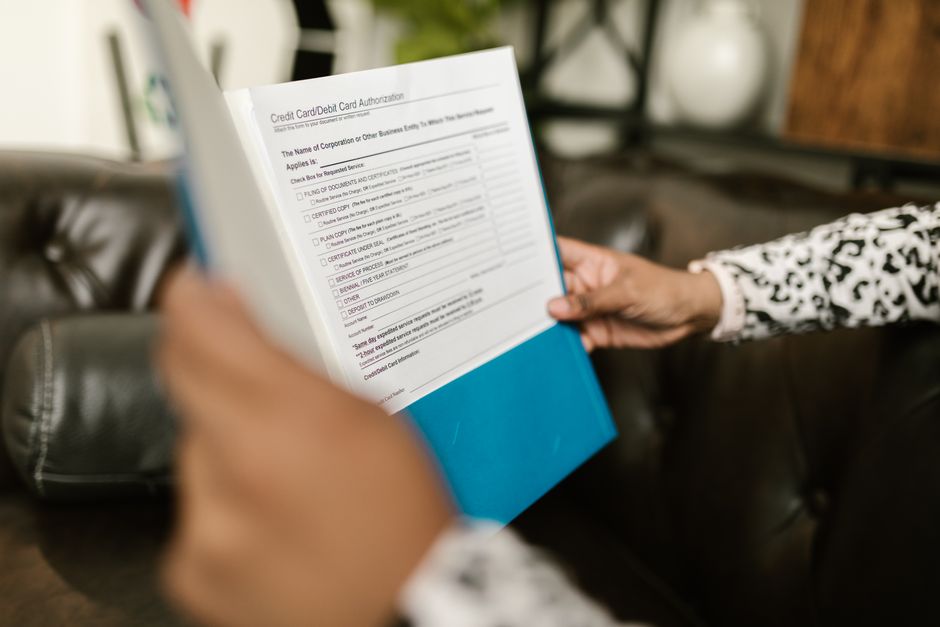
Step 4: Involve Cross‑Functional Reviewers to Reduce Blind Spots
Even seasoned HR pros can miss subtle legal issues. Incorporate at least two additional reviewers:
- Legal counsel or in‑house attorney: They can spot statutory nuances, especially for complex cases involving disabilities or protected class concerns.
- Senior HR manager or HR Business Partner: Their familiarity with company culture ensures the PIP aligns with internal policies and past practice.
Set a deadline for this review—ideally 48 hours—to keep the process swift for busy professionals. Use a shared document with tracked changes so each reviewer’s comments are visible. Common mistake: skipping the legal review because “the manager approved it.” That shortcut often leads to later litigation.
Step 5: Communicate the Finalized PIP Clearly and Document the Conversation
Once the legal and policy reviews are complete, schedule a meeting with the employee. Follow these communication best practices:
- Explain the purpose: Frame the PIP as a development tool, not a punishment.
- Review each goal: Use concrete examples and tie them to measurable outcomes.
- Outline support: Offer training, coaching, or resources that will help the employee succeed.
- Confirm understanding: Ask the employee to restate the expectations in their own words.
- Obtain written acknowledgment: Have the employee sign the PIP and keep a copy in their personnel file.
After the meeting, file a written summary that includes the date, attendees, and any questions raised. This documentation is a critical component of the risk mitigation strategy and can be referenced if the employee later claims they were unaware of the expectations.
Common Mistakes and How to Avoid Them
Even with a solid process, HR teams often stumble on recurring errors. Recognizing these pitfalls early saves time and legal exposure.
- Vague or subjective language: Phrases like “improve attitude” are open to interpretation. Replace them with observable behaviors (“respond to client emails within 24 hours”).
- One‑size‑fits‑all timelines: Different roles may require different improvement periods. Tailor the timeline to the complexity of the tasks.
- Skipping the accommodation check: Forgetting to verify ADA compliance is a frequent oversight. Always cross‑reference with any pending accommodation requests.
- Inadequate manager training: Managers who draft PIPs without HR guidance often miss policy nuances. Provide a quick “PIP drafting” workshop before the review cycle.
- Failure to retain records: Storing the PIP only in a manager’s folder, rather than the official employee file, weakens your defense in litigation.
Implement a “PIP audit” every six months to catch systemic issues, such as repeated use of non‑compliant language across departments.
Putting It All Together: A Sample Workflow Timeline
Below is a realistic timeline for a busy HR department handling a single PIP from start to finish.
- Day 1 – Trigger: Manager identifies performance gap and notifies HR.
- Day 2 – Documentation collection: HR gathers job description, metrics, prior feedback.
- Day 3 – Draft PIP: Manager creates initial plan using the company template.
- Day 4 – Checklist review: HR completes the legal risk assessment checklist.
- Day 5 – Cross‑functional review: Legal counsel and senior HR partner provide feedback.
- Day 6 – Revision: Manager updates the PIP based on comments.
- Day 7 – Final approval: HR signs off, attaches compliance documentation.
- Day 8 – Employee meeting: Conduct the conversation, obtain signature.
- Day 9 – File storage: Upload the signed PIP and all supporting documents to the HRIS.
- Day 30, 60, 90 – Check‑ins: Manager documents progress; HR monitors compliance.
This schedule respects the need for thoroughness while fitting within a typical monthly performance cycle. Adjust the days as needed for larger organizations or remote teams.
Conclusion: One Clear Takeaway
The most effective way to protect your organization is to treat a PIP legal review as a mandatory risk‑assessment step, not an optional courtesy. By following a structured checklist, involving legal counsel, and documenting every conversation, you create a defensible record that supports both employee development and compliance.
Recommended courses
Keep going with structured practice and full-length preparation.



Ready to practice? Explore our courses.
Get started →