SHRM Exam Prep – Mastering Change Management, Design & OD Interventions

Why Organizational Effectiveness matters on the SHRM exam
The Organizational Effectiveness (OE) domain tests your ability to align structure, processes, and people with business strategy. Questions often focus on:
- Phases of a change initiative and the HR role at each step.
- Choosing the right design (functional, matrix, network) for a given strategy.
- Diagnosing problems and selecting appropriate OD interventions.
Understanding the “why” behind each model lets you eliminate distractors quickly, even when you don’t recall exact terminology.
Step‑by‑step change management framework
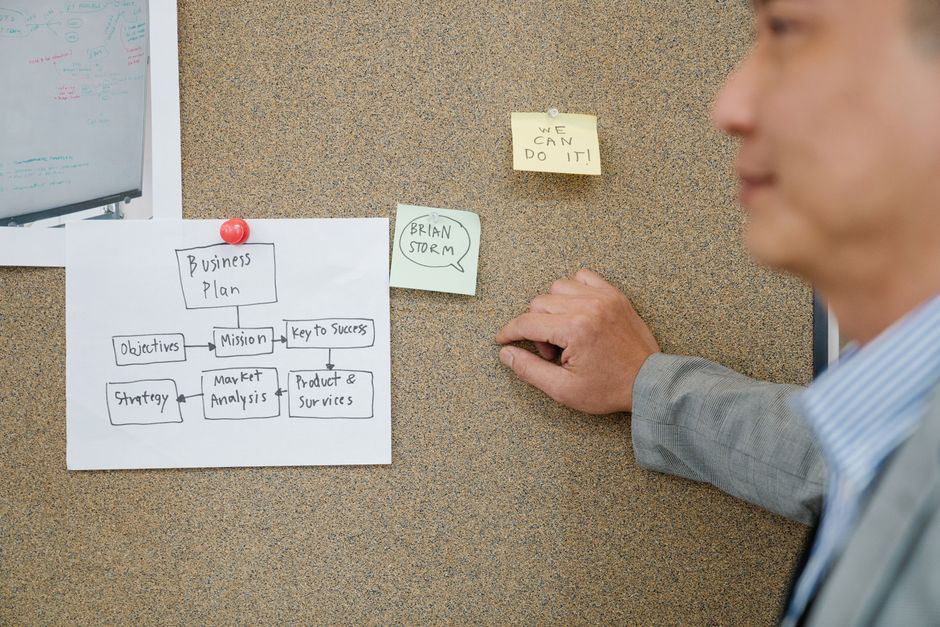
Most exam items reference a structured change model. The most common is the three‑phase approach: Preparation, Implementation, and Sustainment. Below is a practical checklist you can memorize and apply.
- Assess readiness
- Conduct a stakeholder analysis – identify sponsors, resistors, and neutral parties.
- Use a readiness survey (e.g., Likert scale) to gauge confidence and perceived impact.
- Define vision and outcomes
- Write a concise change vision statement (one sentence).
- Translate vision into SMART objectives linked to business metrics.
- Develop a communication plan
- Map messages to audience groups (executives, managers, front‑line).
- Choose channels – town halls, intranet posts, manager briefings.
- Set frequency (e.g., weekly updates for the first month).
- Build a change coalition
- Select change agents from each functional area.
- Provide them with a “coach’s kit”: FAQs, talking points, and escalation paths.
- Implement interventions
- Training – role‑specific skill gaps identified in the readiness survey.
- Process redesign – pilot the new workflow with a small team before scaling.
- Reward adjustments – align incentives with desired behaviors.
- Monitor and adjust
- Track leading indicators (e.g., participation rates, sentiment scores).
- Hold weekly pulse meetings with the coalition to address resistance.
- Embed and sustain
- Update job descriptions and performance metrics.
- Integrate new processes into onboarding and continuous‑learning programs.
Common mistake: Skipping the “sustain” phase. Exam questions often ask what comes after implementation; the correct answer is usually a reinforcement activity (e.g., revising KPIs).
Choosing the right organizational design
Design decisions are driven by strategy, size, and environment. Memorize the three classic structures and when each adds value.
- Functional – Best for organizations focused on efficiency and deep expertise. Typical in manufacturing or professional services.
- Matrix – Fits companies that need flexibility across products and regions. Requires strong communication and clear authority lines.
- Network / Agile – Suits firms that outsource non‑core activities and rely on rapid innovation (e.g., tech startups).
When answering a scenario, ask yourself:
- What is the primary business goal? (cost reduction, speed to market, innovation?)
- How complex are the external relationships? (multiple markets, partners?)
- What is the existing culture’s tolerance for ambiguity?
Match the answer to the design that best resolves the tension.
Diagnosing problems with OD tools
Organizational Development (OD) interventions start with a solid diagnosis. The most referenced model is the Action Research Process – a cyclical series of steps.
- Entry and contracting – Agree on scope, confidentiality, and timelines.
- Data collection – Use surveys, interviews, focus groups, and observation.
- Feedback and diagnosis – Present findings in a clear, data‑driven format (charts, root‑cause diagrams).
- Action planning – Prioritize interventions based on impact vs. effort.
- Implementation – Deploy interventions (training, team‑building, process redesign).
- Evaluation – Measure outcomes against the original objectives.
Key diagnostic tools you should recognize:
- SWOT analysis – Internal strengths/weaknesses vs. external opportunities/threats.
- Force Field Analysis – Identifies driving and restraining forces for change.
- Organizational Culture Assessment Instrument (OCAI) – Maps current vs. preferred culture types.
- Process mapping – Visualizes workflow bottlenecks.
Typical pitfall: Selecting an intervention without linking it to a specific diagnosis. On the exam, look for answer choices that tie the intervention to a root cause (e.g., “team‑building to address low trust scores”).
Practical OD interventions you can name on the exam
Remember the three‑tier classification: Individual, Team, Organizational. Below are the most frequently tested examples.
Individual‑level
- Coaching and mentoring – improves performance gaps identified in talent reviews.
- Career‑development plans – align personal goals with succession pipelines.
- Job‑crafting workshops – empower employees to reshape tasks for better fit.
Team‑level
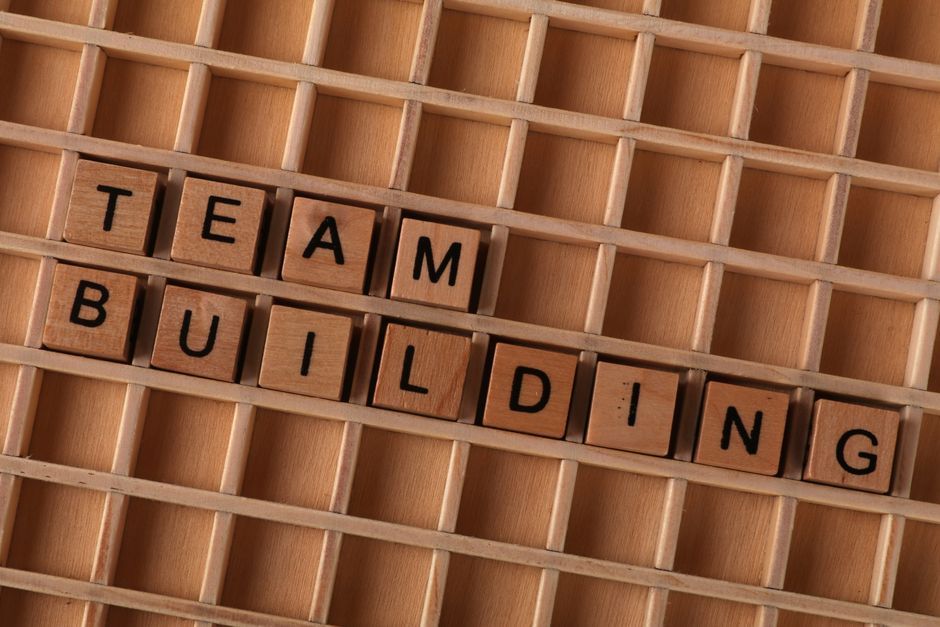
- Team‑building activities – address low cohesion or conflict.
- Cross‑functional project pods – enhance collaboration for matrix structures.
- Feedback loops (e.g., 360°) – create shared accountability.
Organizational‑level
- Process re‑engineering – streamline redundant steps identified in value‑stream mapping.
- Culture change initiatives – use OCAI results to design rituals, symbols, and stories.
- Leadership development programs – close gaps in strategic thinking identified in competency assessments.
When you see a scenario, match the level of the problem to the appropriate tier of intervention. This eliminates many distractors.
Integrating change, design, and OD for a cohesive HR strategy
HR does not act in silos. The most effective exam answers demonstrate integration.
- Start with strategy – Clarify business objectives (e.g., launch a new product line).
- Choose design – If the product requires rapid iteration across markets, a matrix or network design is logical.
- Plan change – Apply the three‑phase framework, ensuring communication aligns with the new structure.
- Diagnose gaps – Use surveys and force‑field analysis to spot resistance points.
- Deploy OD interventions – Select team‑level training for matrix reporting lines, and organization‑level process redesign for cross‑functional handoffs.
- Measure success – Tie KPIs (time‑to‑market, employee engagement scores) back to the original strategic goal.
This “end‑to‑end” mental model helps you quickly eliminate answer choices that isolate one component from the others.
Quick reference cheat sheet for the exam
- Change phases: Prepare → Implement → Sustain.
- Design triggers: Cost focus → Functional; Innovation focus → Matrix/Network.
- Diagnosis tools: SWOT, Force Field, OCAI, Process Mapping.
- OD tiers: Individual (coaching), Team (team‑building), Org (process redesign).
- Common distractor clue: Answers that mention “training only” for a structural problem are usually wrong.
Conclusion
Mastering Organizational Effectiveness on the SHRM exam means linking strategy, design, change, and OD in a logical flow. Use the step‑by‑step frameworks above, watch for the level of the problem, and always tie interventions back to a clear diagnosis.
Takeaway: When a question describes a business goal, ask yourself which structure best supports that goal, then follow the three‑phase change process and select an OD intervention that directly addresses the diagnosed barrier.
Recommended courses
Keep going with structured practice and full-length preparation.



Ready to practice? Explore our courses.
Get started →