SHRM Exam Prep – Workforce Management: Succession Planning, HR Planning & Talent Movement

Why Workforce Management Matters on the SHRM Exam
Workforce management is a core competency on both the SHRM‑CP and SHRM‑SCP exams. The questions test not only definitions but also the ability to apply concepts such as succession planning, HR planning, and talent movement to real‑world scenarios. Understanding the link between strategic business goals and the talent pipeline is essential for passing the exam and for daily HR practice.

Succession Planning: From Theory to Action
Succession planning ensures that critical roles are filled quickly with qualified internal candidates. The exam often asks you to identify the steps of an effective plan, evaluate risk, or choose the best metric for success.
Step‑by‑Step Process
- Identify critical positions. Look beyond C‑suite roles; include any function where a vacancy would disrupt operations.
- Define competency profiles. Combine technical skills, leadership behaviors, and cultural fit.
- Assess talent pool. Use performance data, potential assessments, and career aspirations.
- Develop individual development plans (IDPs). Align learning opportunities with the competency gaps.
- Monitor readiness. Track progress quarterly and adjust IDPs as needed.
- Execute transition. Have a documented hand‑over checklist to minimize knowledge loss.
Common Mistakes to Avoid
- Focusing only on “high‑potential” employees and ignoring solid performers who could step in.
- Creating a plan that is static; the business environment and talent pool change quickly.
- Neglecting the cultural dimension—candidates who fit the culture are more likely to succeed.
- Skipping documentation; without clear records, the plan collapses during a sudden vacancy.
Exam‑Ready Example
Imagine a manufacturing firm where the Plant Manager role is critical. The HR manager has identified three internal candidates, each with a different competency gap. The best answer on the exam would be to prioritize development activities that close the most critical gap while maintaining operational continuity, rather than promoting the highest‑performing candidate without addressing the gap.
HR Planning: Forecasting Demand and Supply
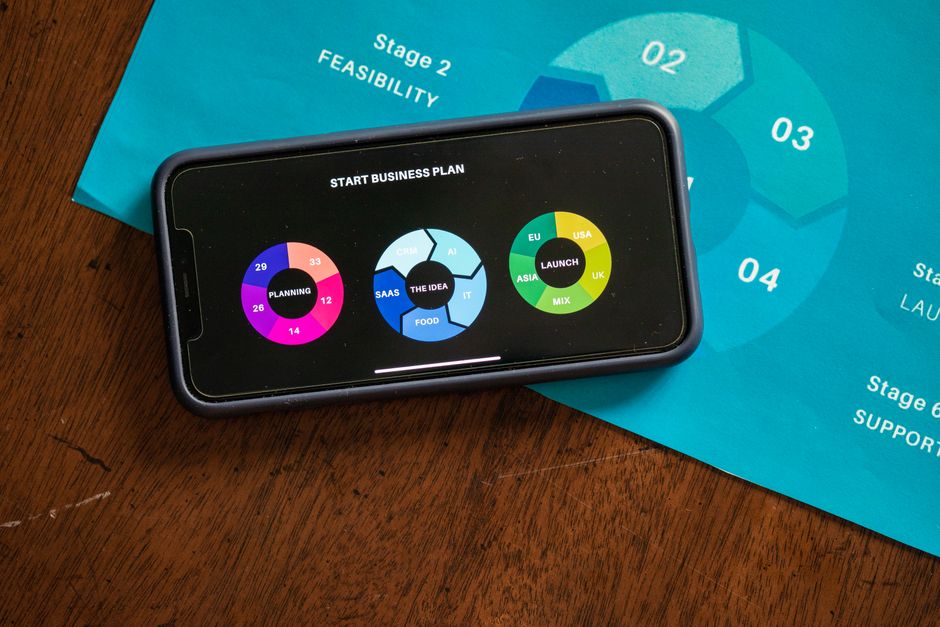
HR planning (sometimes called workforce planning) connects business strategy to the talent required to achieve it. The SHRM exam tests your ability to conduct both quantitative and qualitative analyses.
Demand Forecasting Techniques
- Trend analysis. Use historical hiring data to project future needs.
- Workload analysis. Translate business volume (e.g., sales forecast) into labor hours.
- Scenario planning. Model “best‑case,” “most likely,” and “worst‑case” workforce needs.
Supply Forecasting Techniques
- Internal talent inventory. Catalog current employees’ skills, experience, and readiness.
- Turnover modeling. Apply historical turnover rates to predict future attrition.
- Labor market analysis. Review external availability of required skills, wage trends, and competitor activity.
Integrating Demand and Supply
After generating separate forecasts, compare them to identify gaps:
- Calculate the net gap (demand – supply) for each role or skill cluster.
- Classify gaps as short‑term (≤12 months) or long‑term (>12 months).
- Determine the appropriate response: recruitment, internal development, outsourcing, or redesign.
Typical Pitfalls
- Relying solely on headcount without considering skill mix.
- Using outdated or incomplete employee data, which skews supply forecasts.
- Ignoring the impact of automation or process redesign on future labor needs.
- Failing to involve line managers, resulting in unrealistic demand estimates.
Sample Exam Question
A retailer expects a 15% increase in online sales next year. Which forecasting method best helps HR estimate the additional customer‑service representatives needed?
Answer: Workload analysis, because it translates sales volume into required labor hours.
Talent Movement: Mobility, Redeployment, and Career Pathing
Talent movement covers the intentional shifting of employees across roles, locations, or projects to meet business needs while supporting career growth. The SHRM exam frequently asks how to design mobility programs that balance organizational agility with employee engagement.
Types of Talent Movement
- Horizontal moves. Lateral transfers that broaden experience.
- Vertical moves. Promotions or demotions that adjust responsibility level.
- Geographic moves. Relocations to support regional expansion.
- Project‑based assignments. Short‑term deployments for special initiatives.
Designing a Mobility Framework
- Set business objectives. Align mobility with strategic priorities such as market entry or digital transformation.
- Define eligibility criteria. Include performance standards, skill readiness, and personal willingness.
- Create a transparent process. Use a central portal where openings, application steps, and timelines are visible.
- Provide support resources. Offer relocation assistance, cultural training, and mentorship for new roles.
- Measure outcomes. Track metrics like time‑to‑fill internal moves, employee satisfaction, and retention post‑move.
Common Errors
- Assuming all employees want mobility; some prefer stability.
- Overlooking the need for role‑specific onboarding after a move.
- Failing to coordinate with payroll and benefits, leading to administrative delays.
- Neglecting succession impact—moving a high‑potential employee can create a new gap.
Practical Example
A tech firm wants to launch a new AI product line. HR creates a cross‑functional “AI Talent Pool” by identifying engineers with machine‑learning experience, offering them short‑term project assignments, and linking those assignments to future promotion pathways. The firm tracks the pool’s conversion rate to permanent AI roles, adjusting the pool size each quarter based on project demand.
Integrating the Three Pillars for Exam Success
The SHRM exam does not treat succession planning, HR planning, and talent movement as isolated topics. Questions often combine them, asking you to choose the best integrated solution.
Four‑Step Integration Checklist
- Link strategic goals to critical roles. Use HR planning to identify which positions drive the business strategy.
- Map internal talent to those roles. Conduct a talent inventory that feeds both succession and mobility decisions.
- Design development pathways. Combine succession IDPs with mobility opportunities to build readiness.
- Monitor and adjust. Use metrics from all three areas (readiness scores, gap analysis, mobility success rates) in a single dashboard.
Sample Integrated Scenario
A financial services company anticipates a regulatory change that will require new compliance expertise. HR planning projects a need for five senior compliance officers in two years. The succession plan reveals only two internal candidates ready for senior roles. To close the gap, HR creates a talent‑movement program that temporarily assigns high‑performing analysts to the compliance team, while simultaneously enrolling them in a certification course. Progress is tracked quarterly, and the plan is revised if the internal pipeline remains insufficient.
Key Metrics Every HR Professional Should Track
Knowing which numbers matter helps you answer data‑driven exam questions and demonstrate ROI to leadership.
- Readiness index. Percentage of critical roles with at least one ready successor.
- Internal fill rate. Ratio of positions filled by existing employees versus external hires.
- Talent mobility cycle time. Average days from internal posting to employee start date.
- Turnover risk score. Composite metric using engagement surveys, performance trends, and external market data.
- Cost per internal move. Includes training, relocation, and administrative expenses.
Conclusion
Mastering workforce management for the SHRM exam means turning abstract concepts into concrete, repeatable processes. By following the step‑by‑step guides for succession planning, conducting rigorous HR forecasts, and building a structured talent‑movement framework, you’ll be prepared to answer scenario‑based questions with confidence.
One clear takeaway: Treat succession planning, HR planning, and talent movement as interconnected parts of a single talent pipeline, and use a unified dashboard to track readiness, gaps, and mobility outcomes.
Recommended courses
Keep going with structured practice and full-length preparation.



Ready to practice? Explore our courses.
Get started →