Streamlining HR Administration: Practical Steps to Boost Efficiency

HR departments handle a relentless flow of paperwork, data entry, and compliance checks. When routine tasks consume too much time, strategic initiatives—like talent development and culture building—suffer. The good news is that most inefficiencies stem from repeatable processes that can be redesigned, automated, or delegated. Below are practical steps you can implement today to make HR administration smoother, more accurate, and less stressful.
Map Your Current Processes
Before you can improve anything, you need a clear picture of how work actually gets done.
- Identify core admin activities. List everything from onboarding paperwork to benefits enrollment, performance‑review scheduling, and compliance reporting.
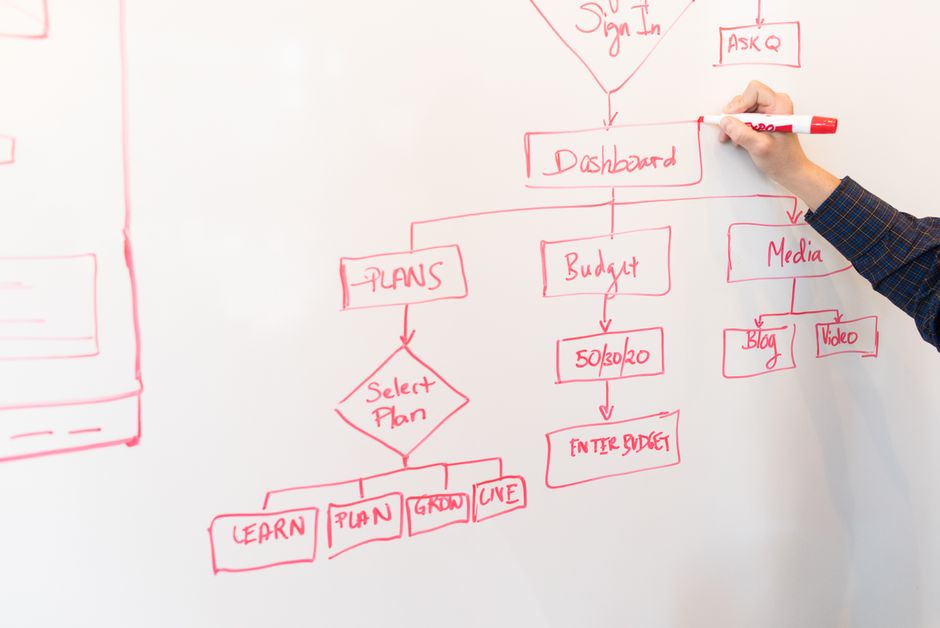
- Document each step. Use a simple flowchart or a spreadsheet. Note who does the work, what tools are used, and how long each step takes.
- Spot bottlenecks. Look for steps that require manual data entry, repeated approvals, or frequent back‑and‑forth emails.
When you have a visual map, you can prioritize which processes will deliver the biggest time savings if improved.
Leverage Automation Wisely
Automation isn’t about replacing people; it’s about removing repetitive actions so HR staff can focus on higher‑value work.
- Self‑service portals. Allow employees to update personal information, request time off, and access pay stubs without HR intervention.
- Workflow engines. Use tools that route approvals automatically based on predefined rules (e.g., expense approvals go to the employee’s direct manager, then finance).
- Scheduled data pulls. Set up integrations that pull employee data nightly from your HRIS into reporting dashboards, eliminating manual spreadsheet updates.
Start small. Automate one high‑volume task—such as new‑hire document collection—measure the time saved, then expand to other areas.
Standardize Forms and Templates
Inconsistent documents cause confusion, errors, and extra follow‑up. Standardization creates a single source of truth.
- Create master templates. For offer letters, performance‑review forms, and termination checklists, develop a master version stored in a shared drive.
- Use merge fields. Populate templates automatically with employee data from your HRIS to avoid re‑typing names, titles, or dates.
- Version control. Assign a clear naming convention (e.g., “OfferLetter_v3_2024”) and lock editing rights to prevent outdated versions from circulating.
When everyone pulls from the same template, the number of back‑and‑forth corrections drops dramatically.
Implement Regular Audits and Clean‑ups
Data quality degrades over time. Small errors—like an incorrect employee status—can cascade into payroll mistakes or compliance violations.
- Quarterly data reviews. Assign a team member to run reports that flag missing fields, duplicate records, or mismatched dates.
- Compliance checklists. Keep a living checklist for required filings (e.g., EEO‑1, OSHA logs) and assign owners with due dates.
- Archive obsolete records. Move former employee files older than the statutory retention period to secure, low‑cost storage.
Regular clean‑ups keep your HRIS reliable, reduce audit findings, and make reporting faster.
Train and Empower the Team
Even the best tools fail if users don’t know how to use them efficiently.
- Onboard new HR staff with process maps. Show them the end‑to‑end flow, not just isolated tasks.
- Offer micro‑learning. Short videos or step‑by‑step guides for specific actions—like “How to approve a time‑off request in Workday”—are more digestible than lengthy manuals.
- Encourage feedback loops. Create a simple form where staff can suggest improvements to existing workflows; review suggestions monthly.
When the team feels competent and heard, adoption of new tools and procedures accelerates.
Avoid Common Pitfalls
Even well‑intentioned changes can backfire if you overlook these frequent mistakes.
- Over‑automating. Automate only where the logic is clear. Complex decisions that require human judgment should remain manual.
- Neglecting change management. Announce a new system without training, and you’ll see resistance and workarounds.
- Ignoring data security. Self‑service portals must enforce strong authentication; otherwise, you risk exposing personal information.
- Skipping pilot tests. Deploy a new workflow to a single department first, gather feedback, then roll out organization‑wide.
By staying mindful of these traps, you protect the gains you’ve worked hard to achieve.
Conclusion
Streamlining HR administration isn’t a one‑time project; it’s a cycle of mapping, automating, standardizing, auditing, and training. When each step is executed deliberately, you reclaim valuable hours and create space for strategic work that truly moves the organization forward.
Takeaway: Start with a single high‑volume process, automate it, and measure the time saved before expanding—small wins build momentum for larger efficiencies.
Recommended courses
Keep going with structured practice and full-length preparation.



Ready to practice? Explore our courses.
Get started →