Teamwork in the Workplace: Definition, Benefits, and Actionable Tips

Teamwork isn’t just a buzzword on a poster; it’s the engine that turns individual effort into collective results. For HR professionals, understanding the mechanics of teamwork helps you design training, evaluate performance, and advise leaders on building high‑performing groups.
What Exactly Is Teamwork?
Teamwork is the coordinated effort of two or more people who share a common goal, pool complementary skills, and hold each other accountable for outcomes. It differs from simple cooperation in three ways:
- Shared purpose: Everyone knows the “why” behind the work.
- Interdependence: Success depends on how well members integrate their tasks.
- Collective accountability: The group, not just individuals, is evaluated on results.
In HR terminology, teamwork is often measured through team performance metrics such as project completion rates, quality scores, and employee satisfaction surveys that ask about collaboration.
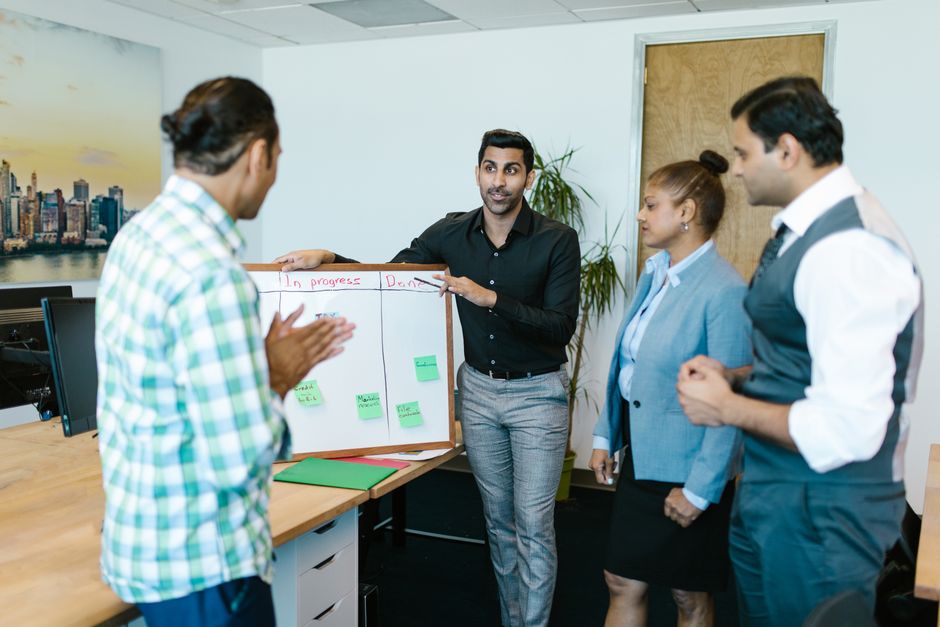
Why Teamwork Matters for Organizations
Research consistently links effective teamwork to tangible business outcomes. Below are the most relevant benefits for HR leaders to track.
- Higher productivity: Teams that communicate well finish tasks up to 30% faster than isolated workers.
- Improved innovation: Diverse perspectives spark more ideas; cross‑functional teams generate 2‑3× more patents on average.
- Better employee engagement: Employees who feel part of a cohesive team report higher job satisfaction and lower turnover intent.
- Risk mitigation: Shared knowledge reduces single‑point failures; if one member is absent, the team can still deliver.
- Leadership development: Team settings provide a low‑risk arena for emerging leaders to practice influence and decision‑making.
Common Mistakes That Undermine Teamwork
Even well‑intentioned groups can fall into traps that erode collaboration. Recognizing these pitfalls early allows HR to intervene before they become cultural problems.
- Lack of role clarity: When responsibilities overlap or are vague, members duplicate effort or leave gaps.
- Dominance by a single voice: One outspoken member can drown out others, limiting idea diversity.
- Insufficient feedback loops: Without regular check‑ins, misaligned expectations persist.
- Rewarding individual over team outcomes: Bonus structures that focus solely on personal metrics discourage knowledge sharing.
- Poor conflict management: Unaddressed disagreements fester, leading to disengagement.
Step‑by‑Step Guide to Building Effective Teams
Use this practical roadmap when you’re forming a new team, redesigning an existing one, or coaching managers on teamwork improvement.
1. Define a Clear, Shared Goal
- Write a concise goal statement (one sentence) that answers the “what” and “why.”
- Link the goal to a larger business objective—e.g., “Reduce onboarding time by 20% to improve new‑hire productivity.”
- Communicate the goal in a kickoff meeting and capture it in a shared document.
2. Establish Roles and Responsibilities
- Conduct a skills inventory of each member (technical, interpersonal, project management).
- Map tasks to the person whose skill set best matches, using a RACI matrix (Responsible, Accountable, Consulted, Informed).
- Publish the matrix so everyone knows who owns each deliverable.
3. Set Up Communication Norms
- Choose primary channels (e.g., Slack for quick questions, Teams for video calls, shared drive for documents).
- Agree on response time expectations (e.g., “Reply to Slack within 2 hours during work hours”).
- Schedule a brief daily stand‑up (15 minutes) to surface blockers early.
4. Foster Psychological Safety
- Model inclusive language; encourage “yes, and…” rather than “yes, but…”
- Allow anonymous idea submission for those uncomfortable speaking up.
- Celebrate “failed” experiments as learning opportunities.
5. Implement Structured Feedback
- Adopt a simple feedback framework such as “Situation‑Behavior‑Impact” for peer reviews.
- Schedule a mid‑project retrospective to discuss what’s working and what isn’t.
- Document action items and assign owners for follow‑up.
6. Align Rewards with Team Success
- Introduce team‑based KPIs (e.g., project milestone adherence, client satisfaction score).
- Tie a portion of bonuses or recognition awards to those KPIs.
- Publicly acknowledge collective achievements in newsletters or town halls.

Tools and Resources HR Can Deploy
HR departments can accelerate teamwork by providing the right technology and training.
- Collaboration platforms: Microsoft Teams, Slack, or Asana for task tracking.
- Personality and role‑fit assessments: DISC, StrengthsFinder, or MBTI to help members understand each other’s working styles.
- Learning modules: Micro‑learning courses on active listening, conflict resolution, and virtual teamwork.
- Recognition systems: Peer‑to‑peer badges or points that can be redeemed for small rewards.
Measuring Teamwork Effectiveness
Data‑driven insight lets HR prove the ROI of teamwork initiatives and adjust strategies.
- Team performance scorecards: Combine quantitative metrics (on‑time delivery, error rate) with qualitative surveys (trust, communication).
- 360‑degree feedback: Include questions that assess collaboration, such as “Shares information openly” and “Seeks input from others.”
- Turnover analysis: Compare attrition rates of high‑collaboration teams versus low‑collaboration teams.
- Employee Net Promoter Score (eNPS): Segment results by team to spot cultural strengths or gaps.
Conclusion
Effective teamwork transforms individual effort into sustained organizational advantage. By defining clear goals, clarifying roles, establishing safe communication, and aligning rewards, HR can create the conditions where teams thrive.
Takeaway: Start small—pick one team, apply the six‑step framework, and use a simple scorecard to track progress. Success there builds momentum for organization‑wide collaboration.
Recommended courses
Keep going with structured practice and full-length preparation.



Ready to practice? Explore our courses.
Get started →