Which HR Tasks Should Never Be Fully Replaced by AI

Artificial intelligence streamlines many HR processes, from résumé screening to benefits administration. Yet certain tasks rely on judgment, empathy, and legal nuance that AI cannot replicate. Knowing where to draw the line protects employee trust, reduces risk, and keeps HR aligned with core professional standards.
1. Conducting Sensitive Employee Conversations
Discussions about performance improvement, disciplinary action, or personal hardship demand a nuanced, empathetic approach. AI can supply data—attendance records, performance metrics, prior notes—but the delivery must be human.
- Prepare with data, not replace the dialogue. Pull relevant metrics from your HRIS, then schedule a private meeting.
- Use active‑listening techniques. Mirror the employee’s concerns, ask open‑ended questions, and acknowledge emotions.
- Document outcomes, not scripts. Record the agreed‑upon next steps; avoid relying on AI‑generated conversation templates.
Common mistake: Allowing a chatbot to deliver termination notices. Even if the wording is legally sound, the lack of human presence can damage morale and expose the organization to claims of unfair treatment.

2. Interpreting Complex Employment Law
Employment statutes vary by jurisdiction and often contain exceptions that only a trained professional can interpret. AI can flag potential issues—like a mismatch between overtime eligibility and job classification—but final analysis must be performed by HR or legal counsel.
- Run the employee’s data through a compliance‑check tool to identify red flags.
- Review the flagged items against the latest statutory language (consult reputable sources or legal counsel).
- Document the rationale for any decision, citing both the AI output and human interpretation.
Pitfall to avoid: Treating AI alerts as definitive answers. Misclassifying a non‑exempt employee based solely on an algorithm can lead to wage‑and‑hour lawsuits.
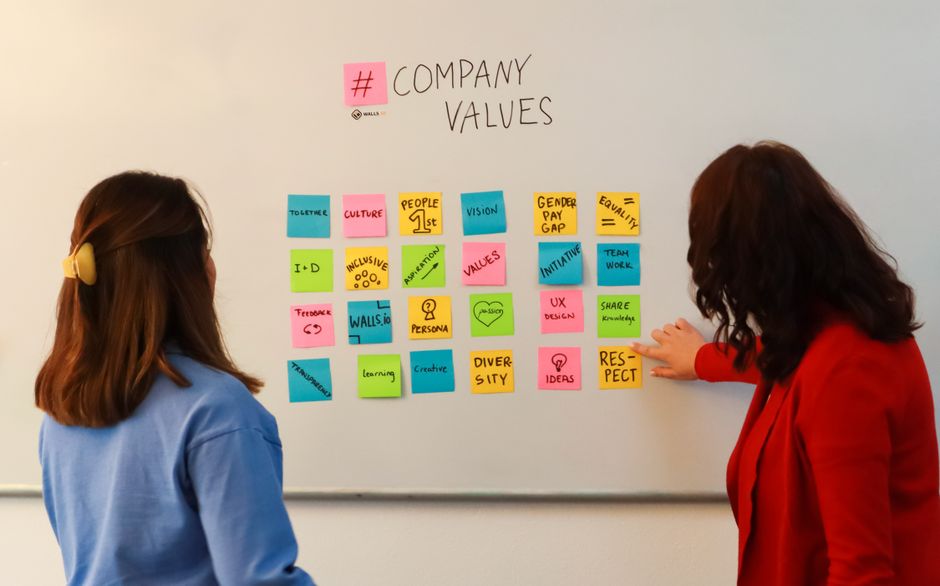
3. Designing and Communicating Company Culture
Culture is the collective set of values, behaviors, and rituals that define an organization. AI can analyze sentiment from surveys or social media, but crafting the narrative and modeling behaviors are human responsibilities.
- Gather insights. Use AI‑driven sentiment analysis on pulse surveys to spot trends.
- Translate data into stories. HR leaders should create narratives that connect data points to lived experiences.
- Lead by example. Executives and managers must embody the cultural pillars; AI cannot demonstrate authenticity.
Typical error: Publishing a culture deck generated by AI without senior leader endorsement, resulting in a disconnect between stated values and daily actions.
4. Managing Employee Relations and Conflict Resolution
When two employees clash, the underlying issues often involve personal histories, power dynamics, and unspoken expectations. AI can log incidents and suggest mediation steps, but the facilitator must interpret tone, body language, and context.
- Log the incident in your case‑management system; let AI suggest a timeline for follow‑up.
- Schedule a face‑to‑face (or video) mediation session with a trained HR professional.
- Use the AI‑generated timeline as a guide, not a mandate, and adjust based on the participants’ responsiveness.
Risk of over‑automation: Relying on an AI‑only dispute‑resolution platform can miss subtle power imbalances, leading to unresolved grievances and possible litigation.
5. Crafting Individual Development Plans (IDPs)
AI can recommend learning modules based on skill gaps, but aligning those suggestions with an employee’s career aspirations, personal circumstances, and the organization’s strategic needs requires a human coach.
- Run a skills‑gap analysis using AI‑driven assessments.
- Meet with the employee to discuss long‑term goals, preferred learning styles, and any constraints (e.g., family commitments).
- Co‑create an IDP that blends AI‑suggested courses with stretch assignments or mentorship opportunities.
Common oversight: Sending a generic “training recommendation” email generated by AI without a follow‑up conversation. Employees often perceive this as a checkbox exercise rather than a genuine development effort.
6. Ethical Decision‑Making and Confidentiality
HR professionals are custodians of sensitive information. AI can help flag potential conflicts of interest, but the ultimate decision about disclosure, consent, and ethical action rests with the human practitioner.
- Use AI to scan for patterns that may indicate a breach (e.g., unusual access to employee records).
- Assess the situation against your organization’s code of conduct and professional ethical standards.
- Document the decision‑making process, noting both AI findings and human judgment.
Key caution: Assuming that AI’s “privacy‑by‑design” features automatically guarantee confidentiality. Human oversight is needed to ensure data is shared only with authorized parties and for legitimate purposes.
Integrating AI into HR does not mean abandoning the human element. By recognizing the tasks that require judgment, empathy, and legal nuance, HR professionals can leverage technology as a support tool rather than a replacement.
Conclusion
AI excels at processing large data sets, identifying patterns, and handling routine transactions. However, any HR function that involves nuanced judgment, personal interaction, or ethical interpretation should remain under human control. The clear takeaway: use AI to inform, not to decide, when the stakes involve people’s careers, rights, or well‑being.
Recommended courses
Keep going with structured practice and full-length preparation.



Ready to practice? Explore our courses.
Get started →