Guide to Building an Inclusive Employee Experience Blueprint for Hybrid Work

Why an Inclusive Blueprint Matters for Hybrid Work
Hybrid work reshapes where and how employees connect, but it also magnifies existing inequities. When some team members are always in the office and others are remote, differences in visibility, access to information, and informal networking can creep in unnoticed. An inclusive employee experience blueprint ensures that every worker—whether at a desk, a coffee shop, or a home office—receives the same opportunities to contribute, develop, and feel valued.
Creating a blueprint is not a one‑time project; it’s a living framework that aligns policies, technology, and culture. Below you’ll find a practical, step‑by‑step approach that busy HR professionals can implement without overhauling the entire organization.

Step 1: Map the Current Employee Journey
Before you can design an inclusive experience, you need a clear picture of how employees move through work‑day touchpoints. Use a simple flowchart that captures both physical and virtual moments.
- Identify key phases. Typical phases include recruitment, onboarding, daily work, performance reviews, development, and off‑boarding.
- Capture hybrid‑specific moments. For each phase, note where in‑office and remote interactions occur (e.g., “team stand‑up via video,” “office coffee break”).
- Gather data. Combine surveys, focus‑group notes, and HRIS analytics to see who participates, who feels left out, and where drop‑offs happen.
- Spot inequities. Look for patterns such as lower participation in remote brainstorming sessions or slower promotion rates for fully remote staff.
Documenting this journey creates a baseline you can reference as you add inclusive interventions.
Step 2: Define Inclusion‑Focused Outcomes
Outcomes give the blueprint measurable direction. Align them with broader business goals (e.g., talent retention) while keeping the focus on fairness and belonging.
- Equal access to information. 95% of employees report receiving timely updates regardless of location.
- Balanced participation. Remote workers contribute to at least 40% of ideas generated in cross‑functional meetings.
- Equitable development. Promotion rates for remote and in‑office staff converge within two performance cycles.
- Psychological safety. 80% of surveyed employees feel comfortable voicing concerns in virtual forums.
Set realistic timeframes—often a 12‑month horizon works well for hybrid initiatives.
Step 3: Align Policies and Practices
Policies are the scaffolding that supports inclusive behavior. Review each existing policy through an inclusion lens and adjust as needed.
3.1 Flexible Scheduling
Allow core‑hours that overlap for all time zones, but give employees the freedom to choose when they work outside those windows. Communicate the policy clearly and embed it in the employee handbook.
3.2 Meeting Norms
Adopt a “hybrid‑first” meeting charter:
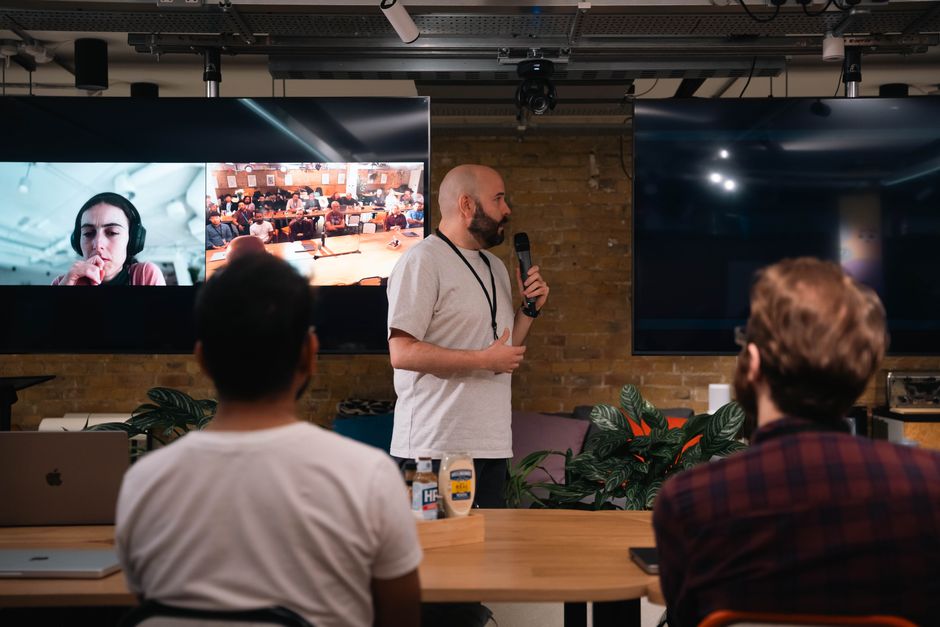
- All meetings have a video link; in‑office participants join via a room‑camera.
- Agenda and pre‑reads are shared 24 hours in advance.
- Facilitators rotate the role of “virtual champion” to ensure remote voices are heard.
- Use a shared digital whiteboard so contributions are visible to everyone.
3.3 Performance Management
Standardize goal‑setting and feedback cycles so they don’t depend on physical presence. Include a “visibility” metric that tracks opportunities given to remote staff (e.g., lead on a project, presentation slots).
3.4 Learning & Development
Offer both synchronous and asynchronous training. When a workshop is live, record it and provide interactive follow‑up activities for remote learners.
Step 4: Leverage Technology that Promotes Inclusion
Technology can either bridge gaps or widen them. Choose tools that support equitable collaboration.
- Unified Communication Platforms. Use a single suite (e.g., Teams, Slack) for chat, video, and file sharing to avoid siloed channels.
- Real‑Time Captioning. Enable captions in video calls to aid neurodiverse participants and non‑native speakers.
- Digital Whiteboards. Tools like Miro let everyone add sticky notes simultaneously, making brainstorming truly hybrid.
- Analytics Dashboards. Track participation rates, response times, and training completion by work mode to spot disparities early.
Invest in training so all employees feel comfortable using these tools; otherwise, the technology itself becomes a barrier.
Step 5: Build Inclusive Culture Practices
Policies and tech are only half the solution. Culture practices embed inclusion into everyday behavior.
5.1 Structured Onboarding for Hybrid Teams
Design a two‑week onboarding plan that pairs new hires with a “culture buddy” who meets them both virtually and in person. Include a checklist of key rituals (e.g., virtual coffee chats, office tours via video).
5.2 Employee Resource Groups (ERGs) in Hybrid Format
Support ERGs with hybrid meeting spaces, shared calendars, and budget for both virtual events and occasional in‑person gatherings.
5.3 Recognition Programs
Ensure recognition is visible to all. Use a digital “wall of fame” that highlights achievements regardless of where the employee works.
5.4 Leadership Modeling
Leaders must consistently attend remote meetings, use video, and ask for input from remote staff. Include inclusive leadership criteria in executive performance reviews.
Step 6: Monitor, Iterate, and Communicate
An inclusive blueprint is a cycle, not a checklist.
- Collect ongoing feedback. Quarterly pulse surveys ask specific questions about inclusion in hybrid settings.
- Analyze metrics. Compare participation, promotion, and turnover data across work modes.
- Adjust interventions. If remote workers’ idea contributions drop, revisit meeting norms or provide additional facilitation training.
- Communicate updates. Share a monthly “inclusion snapshot” with the whole organization to maintain transparency and momentum.
Document each iteration in a living “Blueprint Log” so future HR teams can see what worked and why.
Common Mistakes and How to Avoid Them
- Treating Hybrid as a One‑Size‑Fits‑All Solution. Not every role can be fully remote. Tailor expectations and provide clear criteria for which positions are eligible for hybrid schedules.
- Relying Solely on Surveys. Surveys capture perception but miss behavioral data. Pair them with analytics from communication tools and performance systems.
- Neglecting the Physical Office Experience. In‑office employees can feel excluded if resources (e.g., meeting rooms) are always reserved for remote participants. Balance room bookings and ensure on‑site perks are accessible to all.
- Overcomplicating Technology. Introducing too many platforms creates confusion. Stick to a core suite and provide “quick‑start” guides.
- Failing to Train Managers. Managers control day‑to‑day inclusion. Offer a focused training module on hybrid leadership and hold them accountable through KPI reviews.
Conclusion
Designing an inclusive employee experience blueprint for hybrid work requires a systematic view of the employee journey, clear outcomes, aligned policies, supportive technology, and a culture that models inclusion every day. By following the six steps above—and continuously measuring and adjusting—you create a workplace where every employee can thrive, no matter where they log in from.
One clear takeaway: Map, measure, and modify. A living blueprint that tracks real‑time data ensures inclusion isn’t a buzzword but an everyday reality.
Recommended courses
Keep going with structured practice and full-length preparation.



Ready to practice? Explore our courses.
Get started →